
The Need For An Alternative - Electric Actuation

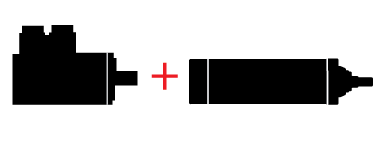
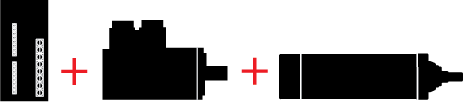
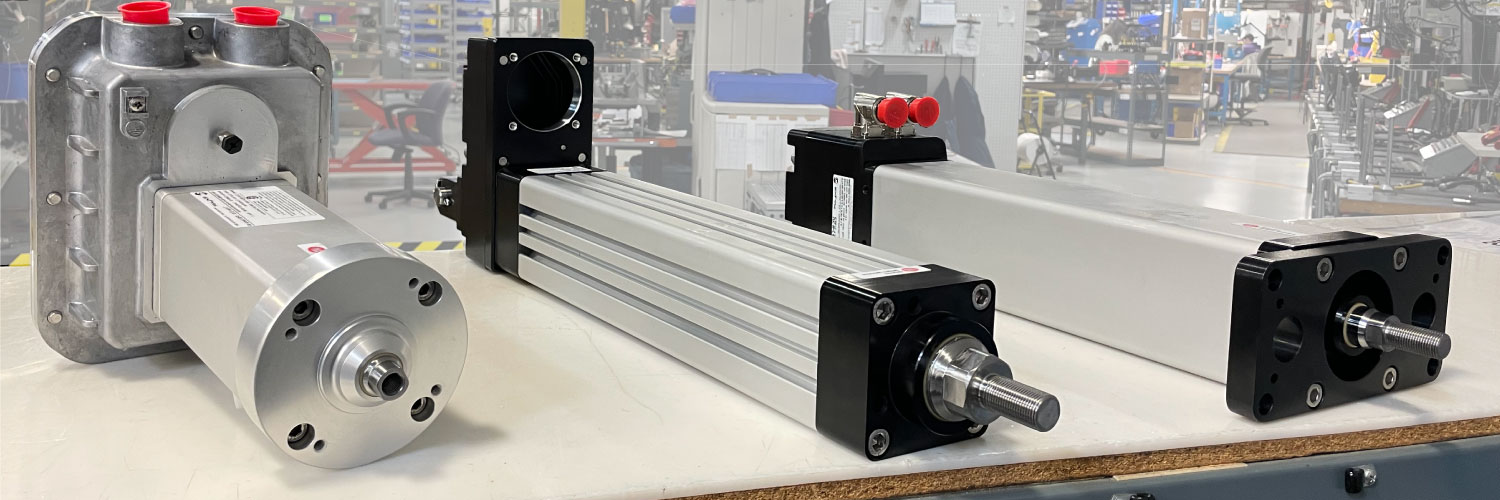
Electric ActuatorElectric ActuatorIn an industrial world very familiar with fluid power systems, Exlar anticipated the need to develop an alternative actuation method to the existing hydraulic and pneumatic cylinders. The new product would need to offer improved positioning performance, eliminate fluid leaks, and provide energy efficiencies, all while maintaining the robustness and reliability of hydraulics and pneumatics (shown right, respectively).

Hydraulic cylinders, while robust and reliable, rely on pressurized oil and require significant maintenance to achieve consistent levels of positioning accuracy. Fluid leaks are common, causing both end-product and environmental contamination. Exlar's goal was to make improvements to the accuracy, environmental, and maintenance issues. As seen in the comparative table, pneumatics also have advantages to offer, but do not provide a viable solution where positioning, stiffness or accuracy are required.

Industry was ready for a cleaner, more efficient and more accurate solution to these existing technologies.

The Logic Of "All-Electric" Solutions

Since electrical power is readily available and is in fact used to create the fluid power, it seemed logical to find a solution which relied exclusively on electric power. This would eliminate the primary source of inefficiency which is the conversion of electrical power to fluid power first, and then to the desired mechanical motion. Additionally, an all-electric solution would be easier to control since control systems universally depend on electric signals to monitor and control position.

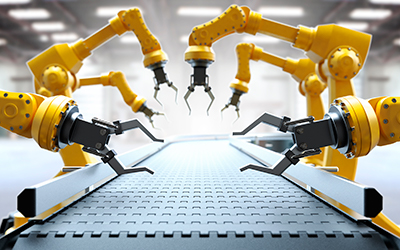
As the search began, it was discovered that many engineers had already been replacing fluid power actuators with electric servo systems. The results were favorable wherever the desired motion was in the form of rotation. A major obstacle remained, however, when linear motion was required, particularly when one wanted to substitute an electric actuator directly for a hydraulic or pneumatic cylinder. There seemed to be no existing electric counterpart with similar form factor and size and which exhibited the robustness and long life of such devices. Not until, that is, Exlar proceeded to identify and characterize the available technologies for creating linear motion.

Understanding these choices along with their advantages and disadvantages is key for the engineer designing a machine utilizing linear motion.


Electric Linear Choices »